It’s at this point of time in a Trump Administration that every foreign policy analyst, everyone schooled under the conventions of liberal democratic international relations, wonders wtf is going on.
In whispered conversations amidst executives behind the closed doors of corporate offices; amidst researchers at water fountains in strategy think tanks; and amidst political movers and shakers under the stained flaps of late-night soju tents; a new line of thinking on North Korea is gaining traction.
The Trump Administration’s DOGE is a bull in the international relations China shop. It’s taken a wrecking ball to USAID, RFA, VOA, the Wilson Center and USIP - institutions of international relations that most of us grew up with and held to be inviolable.
Significance. The Constitutional Court's unanimous decision to remove President Yoon Suk-yeol from office on April 4, 2025, has elicited widespread public reactions, ranging from jubilant celebrations to vehement protests.
As South Korea prepares for the Constitutional Court’s verdict on President Yoon Suk Yeol’s impeachment this Friday, an avalanche of special event podcasts and live-streams are well underway. Every dick and his dog man and his dog person and their dog has their own extra special angle gleaned from the hundreds of other commentary pieces piling up across the planet.
South Korea has long been shaped—directly and indirectly—by the intellectual legacy of America’s most influential international relations thinkers. Figures like Hans Morgenthau, Henry Kissinger, and Zbigniew Brzezinski cast long shadows over South Korea. It is through their works that decision-makers formed modern U.S. policy on South Korea.
Maybe it’s my 1990s Australian teenage years of wagging* school and watching corny American television repeats, but I often listen in on conversations between academic, political, and/or government colleagues and get bored, so I return to form and act as a tabloid talk show host. I become a foreign policy Jerry Springer, throwing out difficult topics, inciting anger, and provoking responses.
Donald Trump’s return to the White House has already reshaped U.S. foreign policy, and some commentators believe there will be no return to post-Cold War norms.
Middle powers do not have the capacity to shape changes in the strategic environment; rather, they react to them. What distinguishes them from smaller powers is their capacity to plan how to react in anticipation of change. If they’re lucky, reaction is planned in advance and they secure advantage.
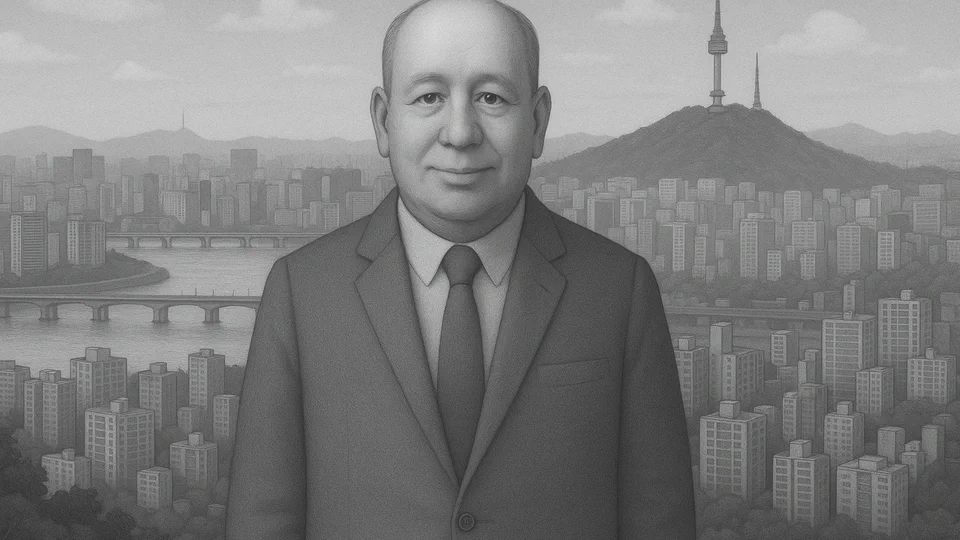
Spending time in Seoul’s epistemic community—among journalists, academics, and policymakers—I’m often struck by how rarely Australia is seen as an independent actor in international affairs. When discussing regional security, trade policy, or strategic alliances, Australia is routinely framed as an extension of the United States - often an annoying and arrogant extension.