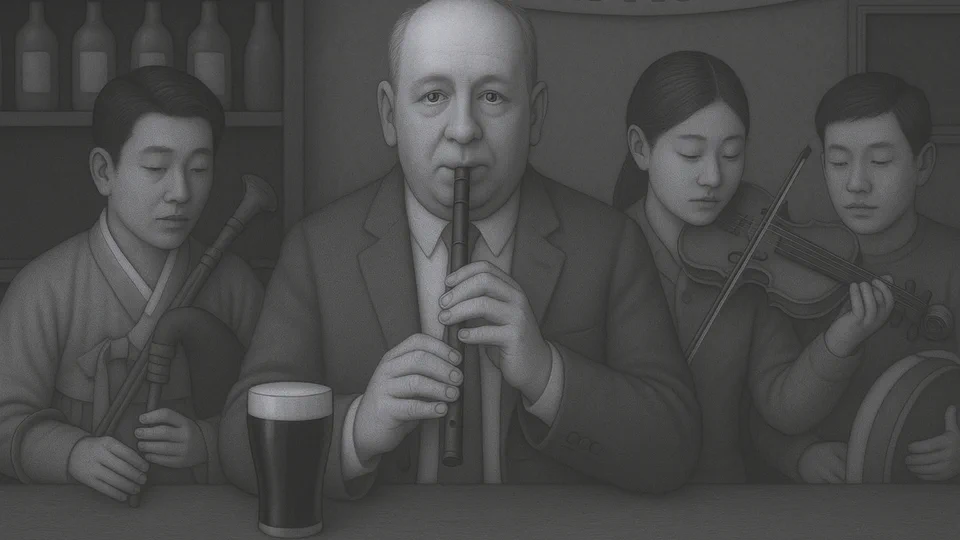
Think-tanks know how to influence U.S. policy but to be more useful, they need to diversify their perspectives, challenge the status quo, and start thinking creatively about the Korean Peninsula.
Most don’t know they’re engaged in espionage until it’s too late and the better the recruitment process, the less likely that the agent is even aware they are being recruited.
Espionage, often depicted as a world of intrigue and danger, is actually boring and emotionally draining. It’s about waiting and human weakness.
In the coming days, there will be A LOT of articles with commentators giving their advice on what a Harris or Trump Administration would mean for South Korea.
The inclusion of youth in foreign policy is not merely a symbolic gesture; it is a strategic imperative to bring fresh perspectives, drive change, and help build trust in governmental institutions.
Over the last decade, countries like Sweden, Canada, and Australia sought to implement aspects of feminist foreign policy (FFP) into their diplomatic, defense, development, and trade policies.
While South Korea still values its alliance with the US, it is taking steps to reduce its vulnerability and prepare for scenarios where US support might not be as robust as it once was.
Every year, Seoul hosts a number of large-scale government and/or think-tank conferences focused on foreign policy and the Korean Peninsula, which routinely fall short of expectations.
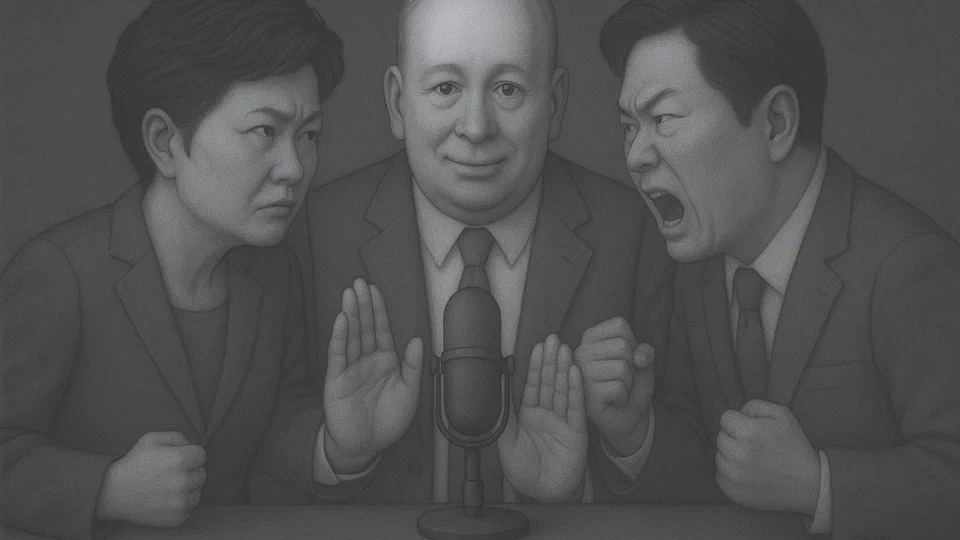
Anyone watching South Korea’s politics is aware that the landscape has become increasingly polarized, with a deepening and importantly dynamic divide between progressives and conservatives.
The Korea National Diplomatic Academy is doing some important work, but it’s also got a few wrinkles that need ironing out. From updating its curriculum to offering more practical experiences and shaking up its recruitment process, there’s a lot of room for improvement.