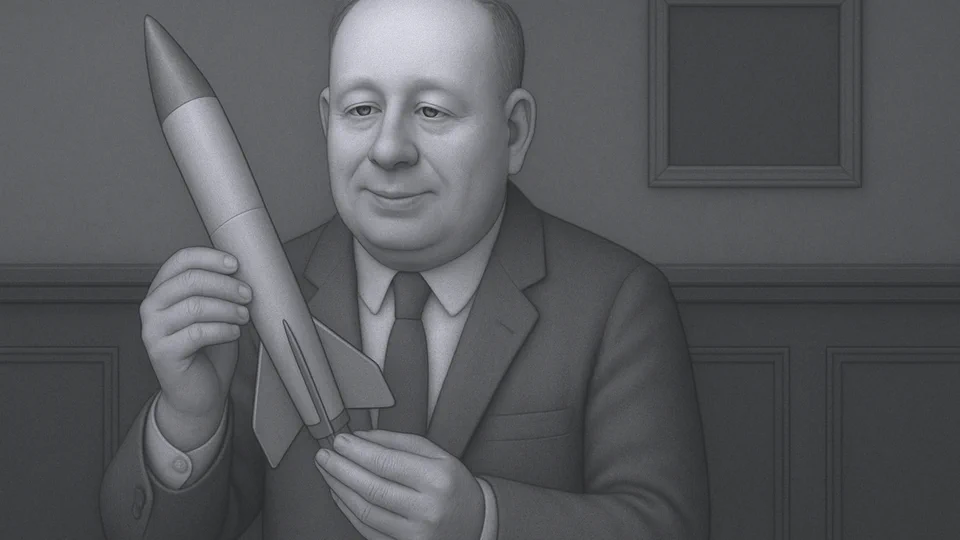
Political leadership and diplomacy are different, and remembering this point suggests we give diplomats the trust, confidence and resources they deserve, and allow them to do their jobs.
Who is watching, researching, analyzing and reporting on the potential for the next Korean Peninsula crisis to occur?
Is being a frontline CEO and soft power brand ambassador enough, or is the role of the modern ambassador in decline?
With declining birth rates; an ever-present, albeit momentarily reduced North Korean threat; and smoldering social dissatisfaction regarding its management; mandatory military service will remain a simmering social and political issue for South Korea.
Despite the flood of academic papers, think tank reports, workshops and seminars on the topic, there appears to be few ideas on how being a middle power helps resolve Korean Peninsula issues.
Academic research on the nature and criteria for definition in the social sciences and the failure to define the middle power.
Articles discussing pre-emptive strikes on North Korea often ignore the potential long-term strategic change that would result from a conflict on the Korean peninsula.
In traditional diplomacy, a foreign public’s first impressions are formed by the architecture of embassy compounds, the grandeur of ambassadorial vehicles, the candor of diplomatic representatives, or the elegance of diplomatic functions, now it's websites.
One-sentence summary goes here.