Single sentence summary
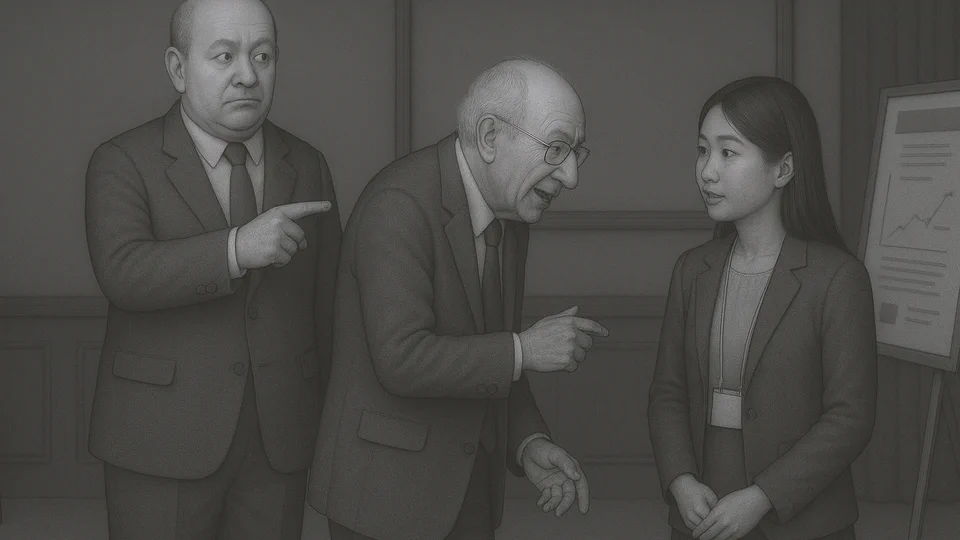
Cybersecurity for the North Korea watcher is about adopting a disciplined, practice-based mindset. The threats faced by researchers in the field are persistent and highly tailored.
The next South Korean President, or let’s just call it now—Lee Jae-myung, will inherit more than a fractured domestic landscape. They’ll inherit Donald Trump. Lee will be dealing with a man who runs U.S. diplomacy on podcast and social media vibes, Fox News soundbites, and showmanship.
Despite being on the frontlines of global strategic fault lines—wedged between a rising China, a declining Japan, a volatile North Korea, and an unpredictable U.S.—South Korean business schools have not moved to embrace geopolitics as a serious academic specialization within their institutions.
Not every state can, or should, try to understand every other state on its own. For small and medium-sized states like Australia or Canada, when it comes to deeply opaque regimes such as North Korea, pursuing direct analytical insight is an exercise in futility.
In South Korea, there’s an old leftist argument that the foreign policy of the country was long ago captured. It draws a straight line from the chinilpa - Koreans who collaborated with Japanese colonial rule - to the postwar conservative elites who aligned the country’s strategy with U.S. interests.
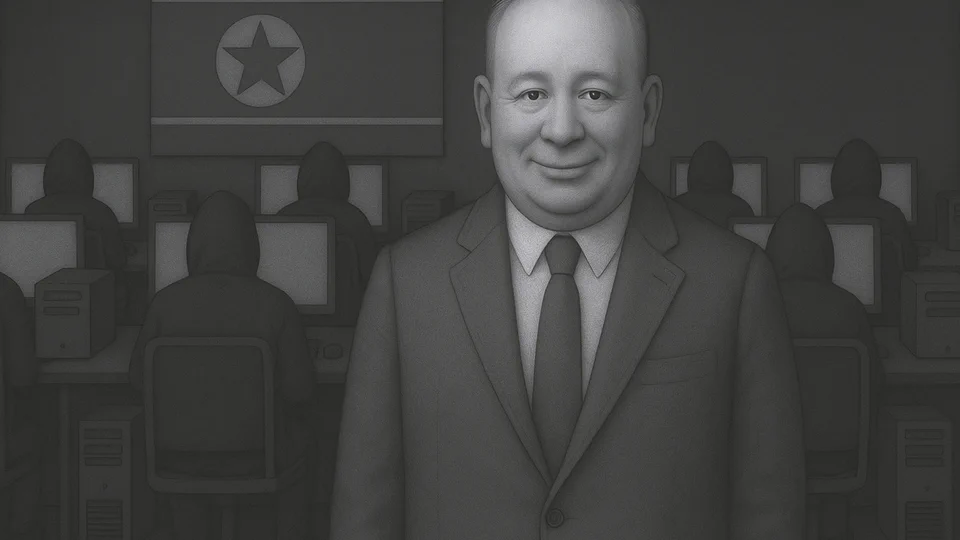
North Korea has transformed into the perfect “Hollywood” cyber villain. From ransomware outbreaks to phishing operations and crypto heists, North Korea is now cited so frequently in attribution reports and press briefings that its involvement often appears less as an empirical finding than a rhetorical reflex. But this ease of attribution—often accompanied by scant verifiable detail—carries consequences, especially for South Korea.
Significance. Observers consistently make the mistake of assessing South Korea’s foreign policy trajectory based on campaign rhetoric and election-period positioning.
So, you completed your liberal arts degree and discovered there were no jobs. You enrolled in a master’s degree in international studies and at the halfway point with poor grades, realized there are still no jobs. What do you do?
Yoon has left the building - but what happens to his foreign policy ideas? What happens to closer South Korea - U.S. relations, closer South Korea - Japan relations, and closer trilateral relations?