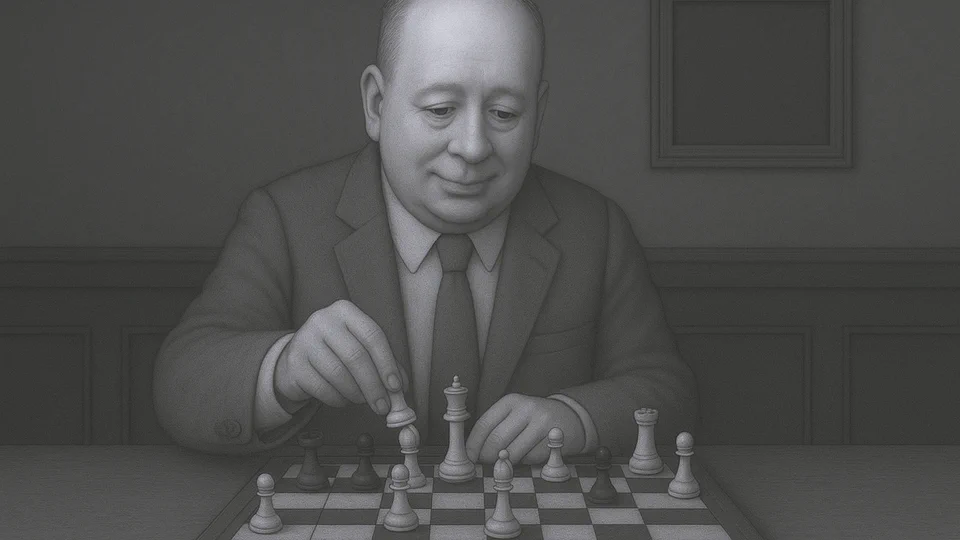
Ideas in foreign and strategic policy are no longer formulated in academia and passed to the government in cheap lunchtime meetings or over stale coffee at poorly catered academic-government 1.5-track conferences.
After Russia’s full-scale invasion of Ukraine in 2022, the U.S. (Biden Administration), NATO, and European governments worked tirelessly to rally support from democratic allies around the world.
I’m reading acacdemic papers written about Korea from the 1950s. You can tell these papers would have been shared among colleagues, perhaps even discussed in closed-door seminars or cited in speeches. These academic papers mattered.
Every funded op-ed adds more distrust to the world of misinformation, disinformation, and post-truth society where scholars are less respected and repeated talking points more effective.
The passing of Richard Armitage, Joseph Nye, Henry Kissinger, and just under ten years ago, Zbigniew Brzezinski, marks more than just the end of an era of iconic U.S. foreign policy thinkers. It symbolizes a broader intellectual shift.
It is a strange time to be a thinktank policy analyst in Washington. On one hand, the policy papers keep coming—well-researched, sober, often sensible attempts to offer realistic paths forward on North Korea and the ROKUS alliance.
Artificial Intelligence (AI) has changed the rules of phishing. It no longer relies on clumsy English or poorly spoofed addresses. Today, it’s powered by large language models (LLMs), social graph mining, and contextual mimicry.
Are North Korea Watchers just different? Or is there more to their distinct proclivities? We’ve all felt it before. At least, anyone who’s spent more than their fair share of time amidst North Korea Watchers, has felt it before. A disturbingly acute sense that not all is quite right.
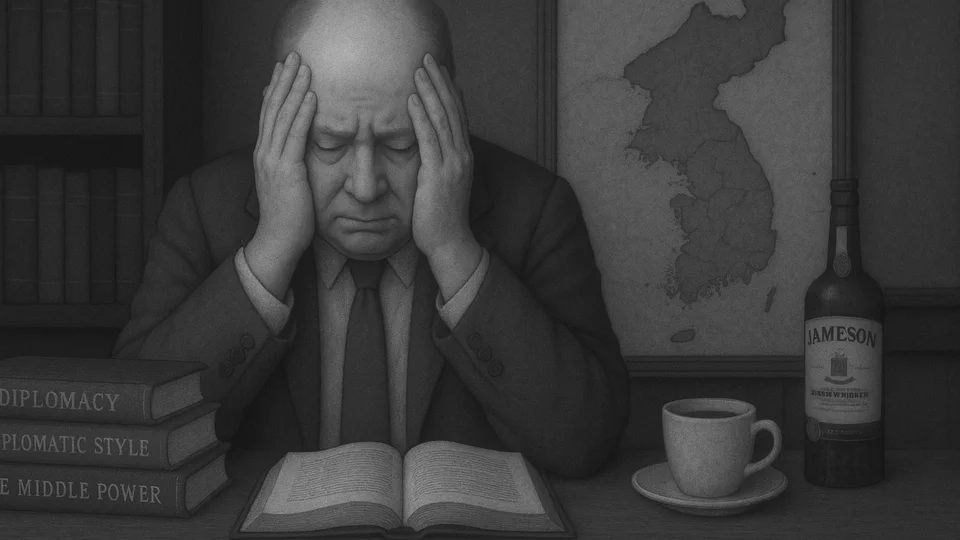
For decades, diplomacy on the Korean Peninsula has been trapped in a rigid and repetitive cycle, largely shaped by the strategic interests of others. American security priorities, Chinese strategic concerns, Russian opportunism, and Japanese anxieties have each carved deep grooves into how the world thinks about Korea.
Trump just said out loud what had been true for seventy years: The alliance was always for sale. It was always a transaction. The challenge now is ensuring that it is a valuable transaction - and this is where Trump will fail.