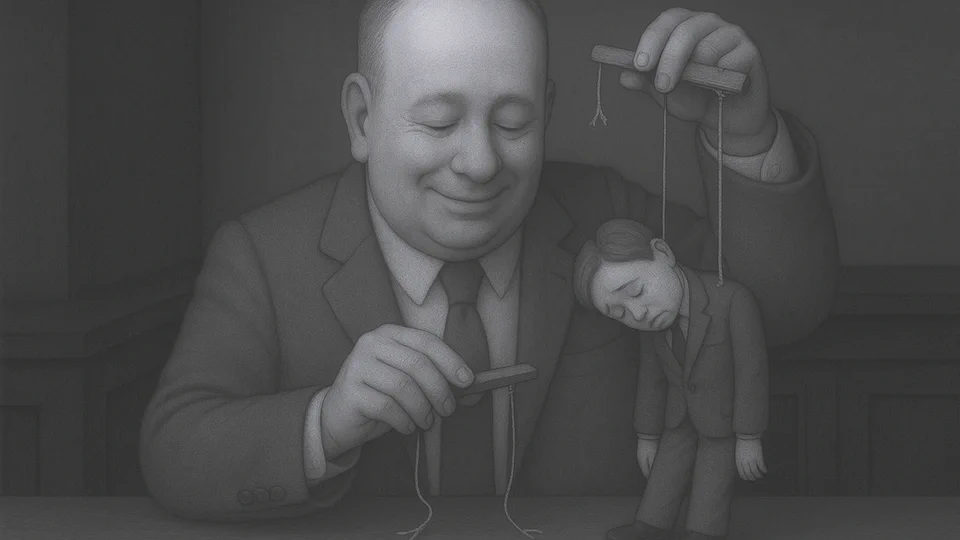
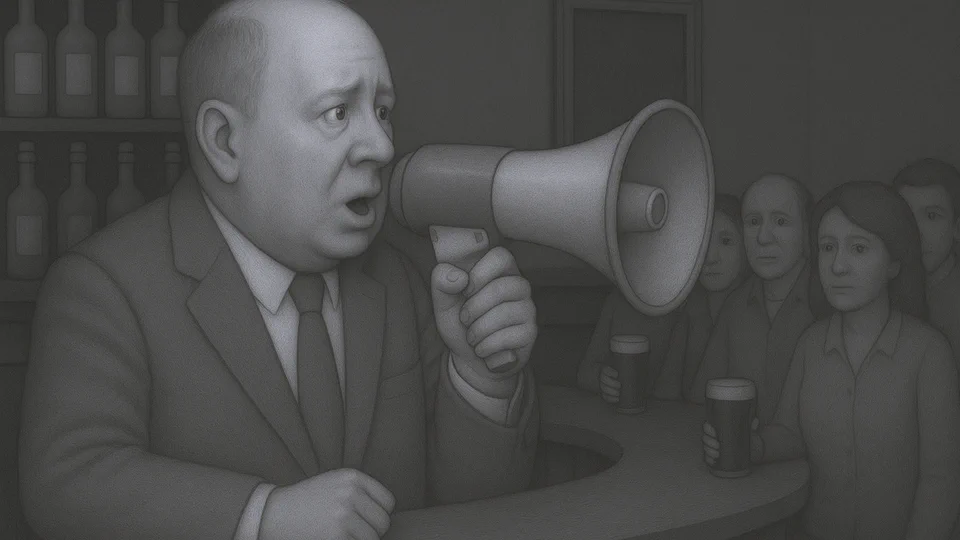
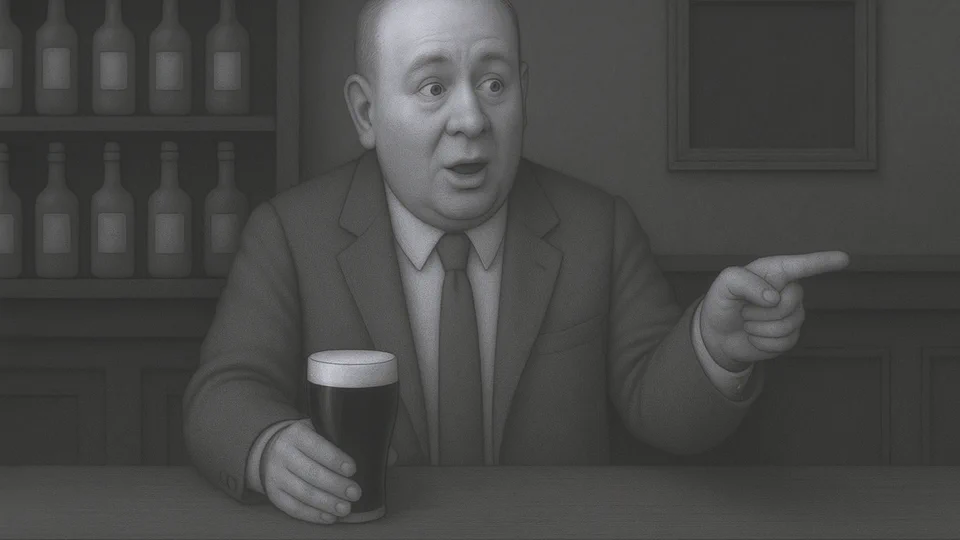
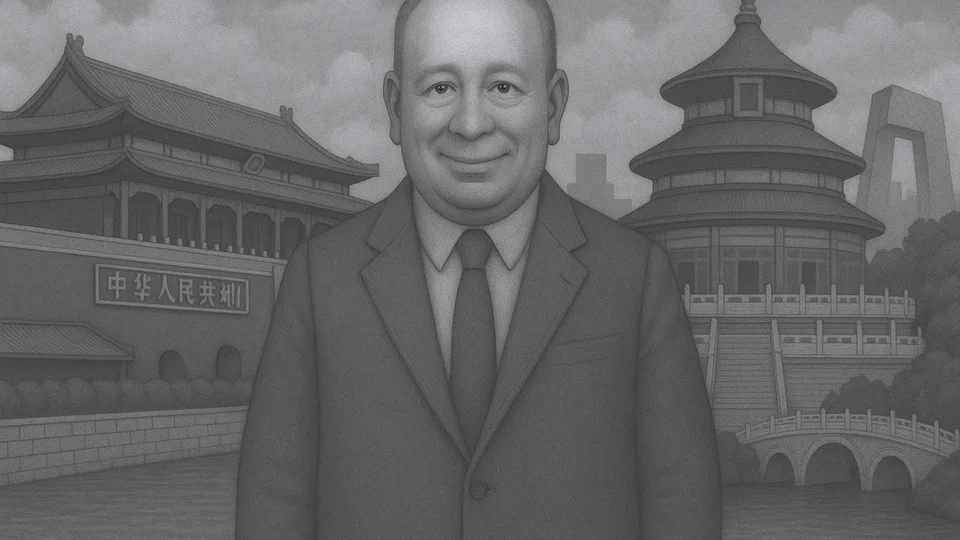
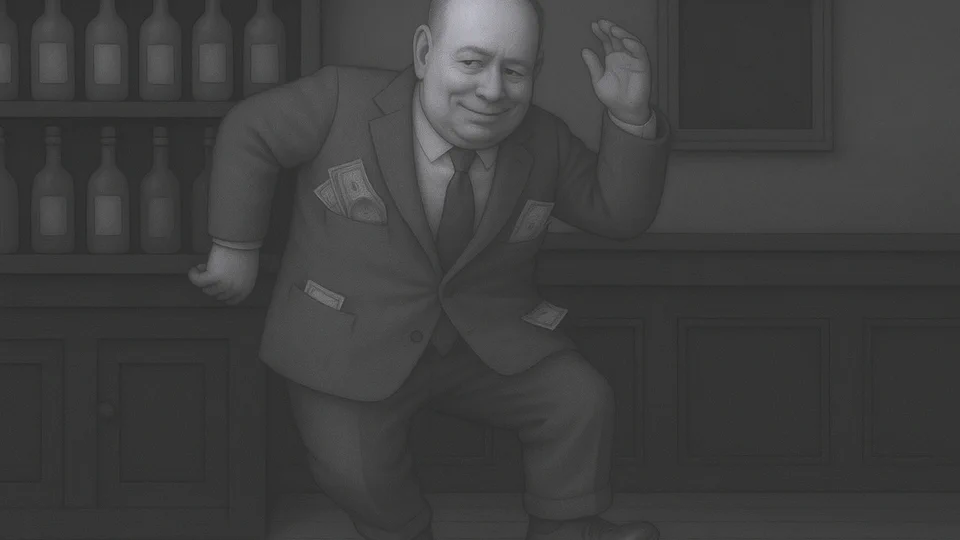
The Trump administration's decision to substantially reduce tariffs on Chinese imports marks a shift in what started out not as coherent trade policy but as macho bluster. That macho bluster became all but weak and sterile with China, but is still biting and bullying with South Korea.
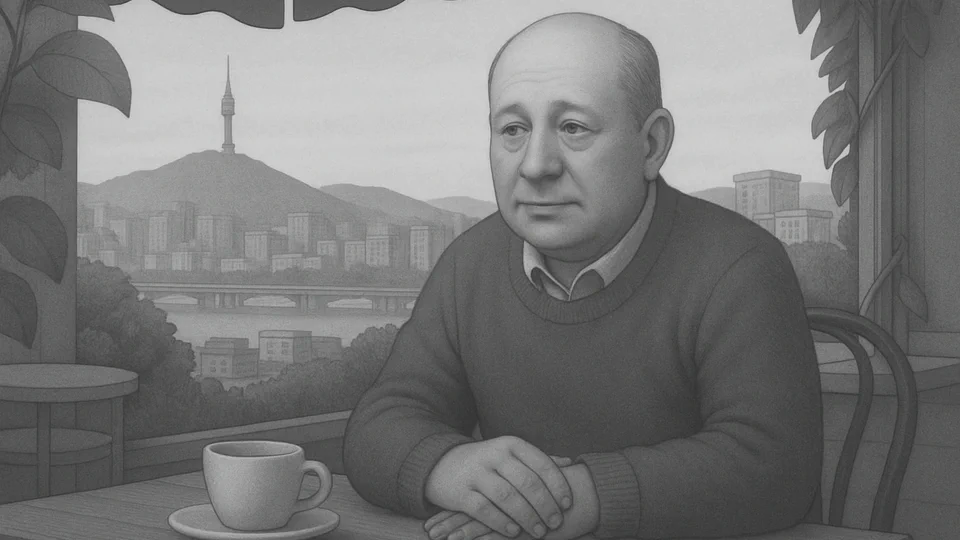
Anti-American sentiment in South Korea has always lingered just beneath the surface — a low hum that occasionally roars to life when diplomatic friction exposes the asymmetries in the alliance.
South Korea’s democracy survived its most recent stress test. Martial law was declared, swiftly overturned by the National Assembly, the President impeached, and those responsible held to account.
Timing is everything in diplomacy, and South Korea has found the worst possible timing to enter trade talks with the Trump administration. With the U.S. mid-tariff offensive and Trump’s desperate need for a public victory,
As Seoul prepares to engage with Trump for his trademark “package deal” tariff negotiations, there is growing concern that Japan will ultimately walk away with a better deal.
Japan’s ambitious “One Theater” proposal—to integrate U.S. allies across East Asia into a single unified operational command—is generating buzz in Tokyo and cautious interest in Washington. But in Seoul, the response is far more skeptical. And for good reason.
At first glance, South Korea’s democracy appears resilient. Martial law was imposed, swiftly overturned, and those responsible held to account. Protests were loud, legal, and effective.
Washington under Biden, and now under Trump, are placing increased emphasis on “strategic flexibility” - the ability to deploy U.S. forces based in Korea to respond to regional or global contingencies.
It’s at this point of time in a Trump Administration that every foreign policy analyst, everyone schooled under the conventions of liberal democratic international relations, wonders wtf is going on.
In whispered conversations amidst executives behind the closed doors of corporate offices; amidst researchers at water fountains in strategy think tanks; and amidst political movers and shakers under the stained flaps of late-night soju tents; a new line of thinking on North Korea is gaining traction.