Over the last decade, countries like Sweden, Canada, and Australia sought to implement aspects of feminist foreign policy (FFP) into their diplomatic, defense, development, and trade policies.
Every year, Seoul hosts a number of large-scale government and/or think-tank conferences focused on foreign policy and the Korean Peninsula, which routinely fall short of expectations.
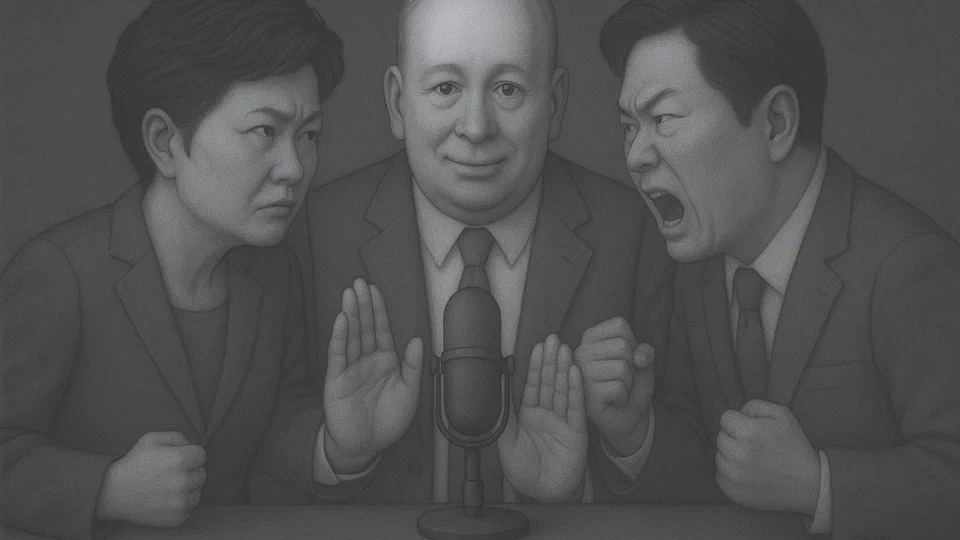
Anyone watching South Korea’s politics is aware that the landscape has become increasingly polarized, with a deepening and importantly dynamic divide between progressives and conservatives.
We rarely think deeply about the term middle power, and are prone to ignore its influence, so could using the term blind analysts to changes in South Korea’s foreign policy?
Two decades ago, South Korea was rarely called a middle power. Today, it invites ridicule to suggest South Korea is anything but a middle power.
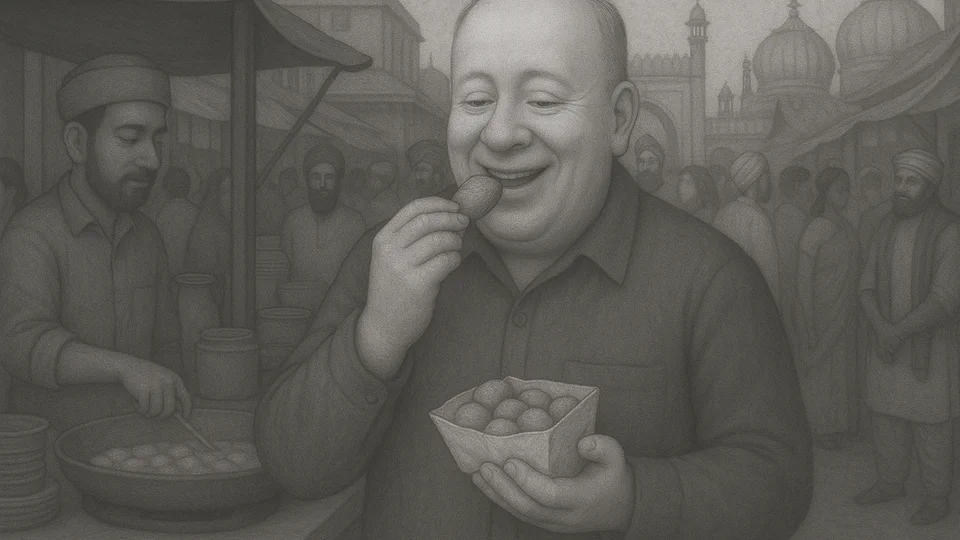
South Korea needs to build domestic constituency that supports the India-Korea bilateral relationship in the longer-term. It needs to go beyond the rhetoric.
The academic discipline of international relations desperately needs new ways of talking about the 10-60 states - the middle powers.
Kazakhstan, a country too often unfairly treated as a punchline rather than a power, is treading a middle road – that of a middle power
On both sides of politics in South Korea, Australia’s currently seen as little more than a mine, farm, beach, or a place to learn English – its relevance increasing only momentarily because of tighter resource markets and Australia’s increasing appetite for military hardware.
Australia and Korea signed a billion-dollar weapons contract, but it is only a very small step - there is much more to do to build the relationship.